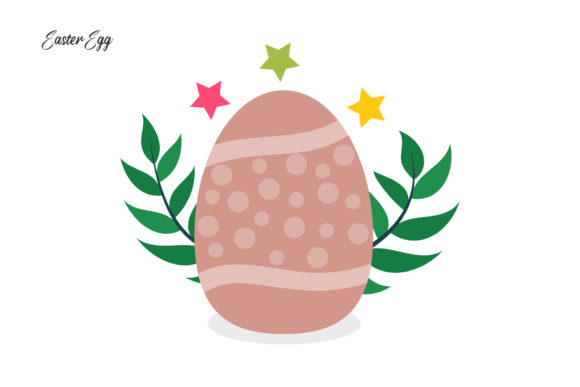
Easter Decorative Egg Design: A Versatile Graphics Freebie for Real Client Work
As a graphic designer who’s built brand identities for handmade businesses, seasonal Etsy shops, and local craft fairs over the past 12 years, I approach every design asset with one question: *Does this elevate a real client project—or just fill space?* Recently, I reviewed the Easter Decorative Egg Design before using it in a spring launch for a small-batch botanical candle brand. Here’s my honest, field-tested assessment—not as a seller or reviewer, but as someone who ships final files to clients with confidence.
First Impression: Whimsical, Hand-Rendered Charm—Not Generic Clipart
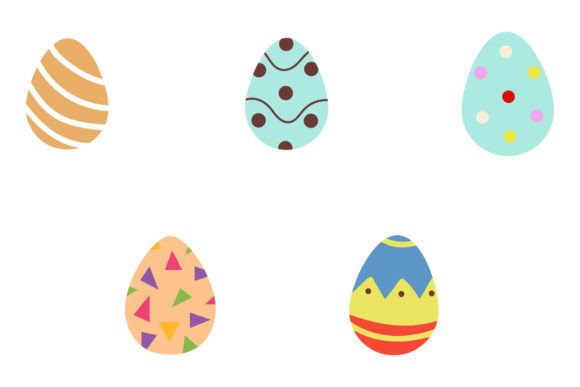
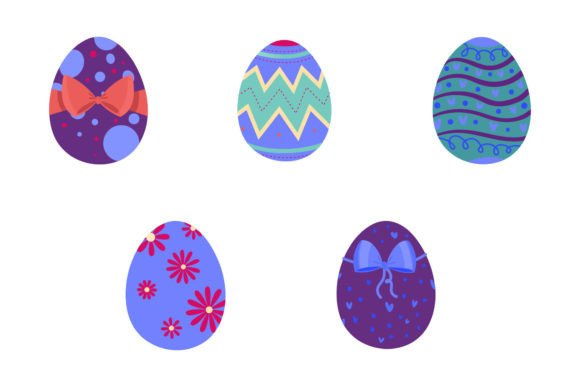
The moment I opened the preview, I noticed what sets this apart from low-effort Easter clipart: subtle texture, intentional negative space, and balanced organic flow. It reads as a cohesive illustration—not a collage of stock elements. The linework feels confident, the egg shape is gently asymmetrical (avoiding sterile symmetry), and the decorative motifs suggest hand-drawn refinement rather than algorithmic repetition. This isn’t background filler—it’s a mood-setter. It evokes warmth, tradition, and gentle celebration—ideal for brands rooted in craftsmanship, sustainability, or nostalgic storytelling.
Where It Shines in Client Projects
This graphic design asset excels where personality and seasonal resonance matter most:
- Packaging design: Works beautifully on kraft labels, sticker seals, and gift box accents—especially when paired with serif or handwritten fonts that echo its artisanal tone.
- Social media graphics: Stands out in Instagram carousels and Pinterest pins thanks to its strong silhouette and clear focal point—even at thumbnail size.
- Printable design: Scales cleanly for Easter-themed wall art, greeting cards, or digital planners. Its 1920px × 1280px canvas gives ample room for cropping without losing detail.
- Cricut project and sublimation design use: The vector formats (AI + EPS) allow precise resizing for vinyl cuts, iron-on transfers, or ceramic mugs—no pixelation, no jagged edges.
- Brand identity support: While not a logo itself, it strengthens visual consistency across a seasonal campaign—think email headers, website banners, or limited-edition product mockups.
Real-World Fit: From Etsy Product to Local Event Campaign
I used the Easter Decorative Egg Design to unify a client’s spring rollout: custom candle labels, an Instagram story series, printable “Egg Hunt Kit” PDFs for their newsletter, and a Canva template they’d share with local boutiques. Because the asset carries consistent weight and style, the entire campaign felt curated—not pieced together. That cohesion builds trust. Customers didn’t see “graphics slapped on”—they sensed intention. For handmade business owners or print-on-demand sellers, that perceived professionalism directly impacts conversion and repeat engagement.
Where to Use It Thoughtfully
This isn’t a universal drop-in solution. Exercise judgment in these scenarios:
- Small sizes: Below 150px wide, fine details blur. Best reserved for medium-to-large applications—hero sections, posters, or packaging front panels.
- Minimalist branding: If your client’s identity relies on stark typography and monochrome restraint, this may feel tonally misaligned. It thrives in warm, layered, tactile contexts—not clinical modernism.
- Crowded layouts: Avoid pairing it with dense text blocks or competing illustrations. Let it breathe—as a focal point or elegant accent, not background noise.
- Low-contrast backgrounds: Test it on light cream, soft sage, or pale yellow—not near-white or off-gray unless you’ve verified legibility and emotional resonance.
Designer Notes You Can’t Skip
Before locking it into a client file, run these checks:
- Test in black and white: Does the shape hold? Does contrast remain legible? (This reveals structural strength.)
- Preview on both light and dark mockups: Especially important if the client uses varied digital or physical surfaces.
- Place it on real product mockups—not just flat previews. Does it sit naturally on a mug, tote bag, or sticker sheet?
- Verify commercial license terms: Since this lives in the Freebies category, confirm whether redistribution, resale, or print-on-demand use is explicitly permitted. Never assume.
- Compare with font pairings: Try it beside serif (e.g., Playfair Display), sans serif (e.g., Montserrat), script (e.g., Pacifico), and display fonts. Note which combinations enhance—not compete with—its rhythm.
- Inspect vector editability: Open the AI and EPS files. Are layers labeled? Can you isolate motifs or recolor elements without breaking paths? That flexibility saves hours in revisions.
Final Verdict: A Thoughtful Creative Design Asset, Not Just Another Download
The Easter Decorative Egg Design isn’t flashy—but it’s reliable. It doesn’t shout; it invites. In a landscape flooded with overdesigned, trend-chasing assets, its quiet confidence makes it unusually versatile for commercial design. It supports storytelling instead of overshadowing it. Whether you’re crafting an Etsy product listing, building a seasonal Canva template library, or designing for a local farmers’ market pop-up, this digital product delivers polish without pretense.
For designers who value authenticity over automation—and for small business owners who need visuals that feel human-made, not AI-generated—this illustration earns its place in the working toolkit. Just remember: even the best design bundle only works when matched to the right project, tested in context, and applied with intention.