Feather Arrow Decorative Element
A Thoughtful Choice for Embroidery Designers
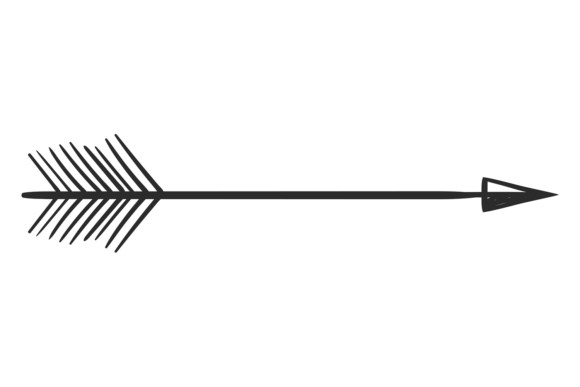
As a designer who frequently evaluates embroidery files for real-world use, I often find myself weighing the balance between aesthetics and practicality. The Feather Arrow Decorative Element is one such design that caught my eye. It’s a hand-drawn divider isolated on a white background, available in EPS, JPG, SVG, and transparent PNG formats. At first glance, it exudes a sense of elegance and simplicity, making it a strong candidate for a variety of embroidery applications.
The First Impression
The Feather Arrow Decorative Element has a clean, minimalist feel that immediately sets it apart from more complex designs. Its hand-drawn nature gives it a unique charm, while the isolation on a white background ensures it remains versatile across different projects. The shape is both geometric and organic, blending the precision of a line drawing with the fluidity of a feather’s curve.
This combination makes it ideal for use as a decorative divider or accent in larger embroidery compositions. Whether you’re designing a custom tote bag, a personalized sweatshirt, or a holiday gift, the Feather Arrow Decorative Element offers a subtle yet impactful visual element.
Real-Life Use Case: Custom Tote Bag Design
Let’s imagine a scenario where I’m preparing a custom embroidered tote bag for a small boutique. The client wants something elegant yet approachable—something that feels handmade but still professional. The Feather Arrow Decorative Element fits perfectly here.
Placed along the top edge of the tote, it serves as a soft divider between the main design and the border. Its delicate lines add a touch of sophistication without overwhelming the overall look. When stitched, the Feather Arrow Decorative Element maintains its clarity, thanks to the clean vector format and well-defined edges.
However, it’s important to consider how the design will perform in practice. For instance, when working with a light-colored fabric, the contrast between the design and the background may be less pronounced. In such cases, testing the design on scrap fabric using different thread colors becomes essential to ensure visibility and impact.
Where to Use with Care
While the Feather Arrow Decorative Element is versatile, there are certain scenarios where it might require extra attention. For example, when using it on small hoop sizes, the detail may become compressed, leading to a loss of clarity. Similarly, on textured or stretchy fabrics, the design may not sit as smoothly, potentially affecting the final appearance.
Another consideration is dark fabric backgrounds. Although the design is isolated on white, when placed on a darker surface, the contrast can diminish, making the Feather Arrow Decorative Element appear faint or washed out. Testing in black and white mockups before finalizing the project can help identify these issues early.
Additionally, the Feather Arrow Decorative Element is best suited for flat surfaces like tote bags, sweatshirts, and pillow covers. On curved surfaces like caps or hats, the design may not align as neatly, requiring adjustments to the placement or scaling.
Design Impact and Practical Considerations
The Feather Arrow Decorative Element contributes positively to the visual appeal and stitching clarity of any project. Its clean lines and consistent stroke make it an excellent choice for satin stitch or fill stitch techniques, ensuring a smooth and professional finish.
From a branding perspective, the design’s simplicity allows for easy integration into a broader collection. Whether used as a standalone feature or part of a larger design, the Feather Arrow Decorative Element supports brand consistency and handmade presentation.
For personalized gifts or commercial embroidery projects, the Feather Arrow Decorative Element adds a touch of individuality without being too bold. This makes it a great option for holiday embroidery, custom apparel, or even baby embroidery items.
Practical Designer Notes
Before committing to the Feather Arrow Decorative Element, I recommend several steps to ensure optimal results:
- Test on scrap fabric to see how the design looks in practice.
- Check thread color contrast against the intended fabric background.
- Review stitch density to ensure clarity and avoid over-stitching.
- Confirm hoop size to prevent distortion or compression.
- Inspect small details for any potential issues that may arise during stitching.
- Use proper stabilizer to maintain fabric integrity and design alignment.
- Test in black and white mockups to assess visibility and composition.
- Compare light and dark fabric backgrounds to determine the best application.
- Ensure licensing rights if planning to sell finished products or digital assets.
These steps will help you maximize the product value and customer trust associated with the Feather Arrow Decorative Element.
Final Thoughts
The Feather Arrow Decorative Element is a thoughtful and versatile design that can enhance a wide range of embroidery projects. From custom apparel to handmade products, it offers a balance of style and functionality that appeals to both personal and commercial users.
Whether you're an Etsy seller, a small shop owner, or a craft business looking to expand your offerings, the Feather Arrow Decorative Element is worth considering. With careful preparation and attention to detail, it can become a valuable addition to your design toolkit.