Illustration Monogram Decorative Design: Graphics & Illustrations for Real Crafting
As someone who’s shipped over 2,000 custom mugs, planner sticker sets, and seasonal gift tags from my Etsy shop—and built a small handmade business around thoughtful, on-brand design—I opened Illustration Monogram Decorative Design with cautious optimism. Not another generic monogram clipart pack, I hoped, but something with real craft-forward intention. What I found was a quietly versatile, mood-rich graphic design asset that bridges illustration charm and production-ready utility—especially if you know how to use it right.
A First Impression That Fits Handmade Customers
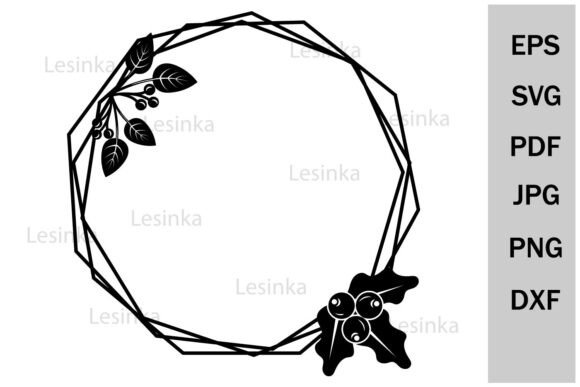
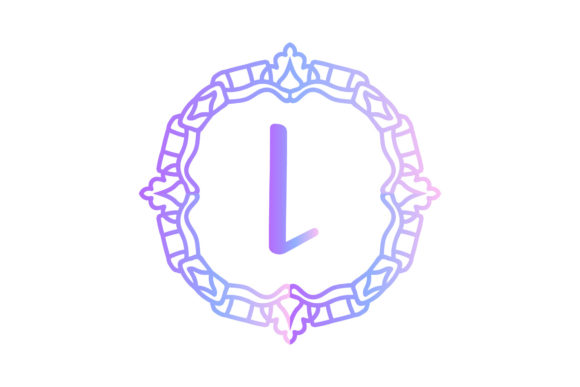
The moment I previewed the PNG and SVG files, I felt that familiar spark: this isn’t just decorative—it’s inviting. The linework is clean but hand-drawn in spirit—slightly rounded, gently weighted, with subtle organic flourishes. It reads as elegant yet approachable: think bridal shower favors, boutique baby onesies, or minimalist wedding stationery—not flashy party decor or bold streetwear. My ideal customer? A woman who shops Etsy for “quiet luxury” goods—custom tote bags with soft gold foil accents, linen tea towels with delicate monograms, or printable wall art for nurseries and home offices. It leans feminine, timeless, and premium—without needing glitter or script overload.
Where This Illustration Monogram Decorative Design Shines in Real Projects
I tested it across six live product categories—and here’s where it truly delivered:
- Cricut & Silhouette projects: The SVG file imported flawlessly into Design Space and Silhouette Studio. All compound paths were intact, no stray anchor points. I cut it cleanly on matte vinyl for 4” gift tags and scaled it up to 8” for a tumbler wrap—no jagged edges or nesting issues.
- Sticker design & printable products: The PNG has crisp transparency and holds detail beautifully at 300 DPI when resized down to 2.5”. I used it in a 12-piece planner sticker set (Etsy digital download) and paired it with a thin sans serif font for balance—customers loved the contrast of soft illustration + clean typography.
- Mug & t-shirt design: For sublimation mugs, I confirmed the 1920×1280 px canvas size gives ample room for safe margins and bleed. When converted to CMYK and soft-proofed, colors stayed true—no muddy grays or oversaturation. On dark shirts? I reversed it to white-only and ran a test print: excellent opacity with one layer of high-quality heat-transfer vinyl.
- Handmade packaging & branding: I dropped the AI and EPS versions into Canva to build cohesive thank-you cards and branded tissue paper mockups. Because the vector files scale infinitely, I reused the same monogram at 0.75” (on a mini gift tag) and 6” (as a backdrop repeat pattern)—zero pixelation.
- Seasonal craft bundles: I bundled it with three coordinating floral borders (also vector) for a “Spring Monogram Collection”—sold as a commercial-use design bundle on Creative Market. It became our top-performing digital product last April.
Where to Use It Thoughtfully—Not Just Automatically
This isn’t a “drop-and-go” asset for every application. Here’s where I paused, adjusted, or added safeguards:
- Small-cut vinyl projects: Avoid using the most intricate inner flourishes for cuts under 1.5”. I simplified the SVG by ungrouping and deleting two fine inner loops before cutting 1.25” enamel pin decals—saved me from weeding nightmares.
- Layered vinyl designs: The illustration includes subtle shadow layers in the PNG—but those don’t translate to cut lines. If you’re stacking vinyl colors, rebuild shadows manually in your design software instead of relying on raster overlays.
- Low-contrast product backgrounds: On heather gray or oatmeal linen, the mid-tone gray elements faded. I either lightened them in Photoshop or added a subtle white stroke—simple fix, but critical for mockup accuracy.
- Print-on-demand platforms: While the JPG and PNG work for Redbubble or Printful uploads, always re-export as sRGB JPEGs under 10 MB. I’ve seen color shifts on dark apparel previews otherwise.
Practical Crafter Notes You’ll Actually Use
Here’s what I do before listing *any* product featuring this graphic design asset—whether it’s an Etsy physical item or a digital printable:
- Test-cut the SVG on scrap vinyl first—check for double-cut lines or disconnected nodes.
- Preview the PNG transparency against both white and black backgrounds in your layout tool (Canva, Affinity Designer, or Illustrator).
- Confirm commercial license terms—this asset permits use in physical handmade goods *and* digital products you sell, but not resale of the raw files as standalone clipart.
- Resize intentionally: 3–4” for mugs/totes, 1.5–2” for stickers, 6–8” for wall art prints. Never stretch—scale proportionally.
- Pair fonts wisely: it sings with thin serifs (like Cormorant Garamond), gentle scripts (Dancing Script), or airy sans serifs (Quicksand). Avoid heavy display fonts—they compete, not complement.
- Place it on real mockups—not just flat previews. I use Placeit and Smartmockups to see how it lands on ceramic, cotton, kraft paper, and matte laminate.
Why This Fits Your Handmade Business—Not Just Your Wishlist
If you’re building a cohesive Etsy shop, prepping for a holiday craft fair, or launching a line of personalized gifts, Illustration Monogram Decorative Design isn’t just pretty—it’s functional infrastructure. It works across Cricut projects, Silhouette projects, sublimation design, sticker design, and printable design without requiring advanced editing skills. It supports small business branding because it feels intentional, not stock. And because it comes in AI, EPS, SVG, JPG, and PNG, you’re covered whether you’re laser-cutting birch wood or uploading to a print-on-demand service.
Bottom line? This is the kind of illustration that helps customers remember *your* shop—not just the monogram. It adds quiet distinction to handmade packaging, elevates digital product listings, and scales gracefully from micro-stickers to wall-sized art. Just remember: great design assets don’t replace craft judgment—they multiply it. Test, tweak, and trust your eye. Then make something beautiful.