Decorative Flower Hand Drawn Illustratio: Graphics & Illustrations for Warm, Authentic Brands
First Impression: A Gentle, Human-Touched Mood That Feels Intentional
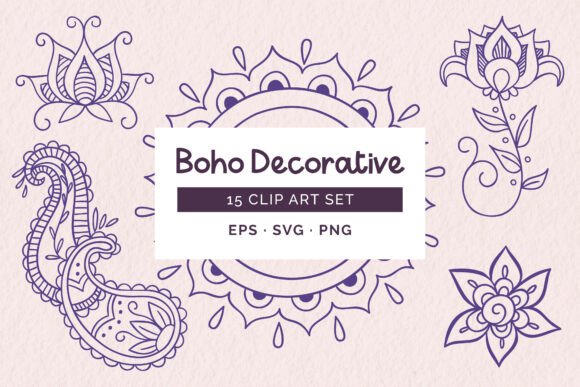
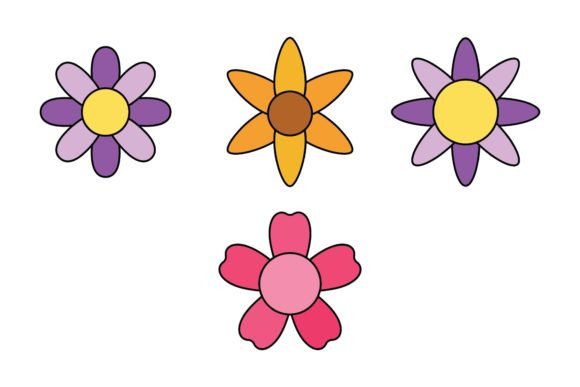
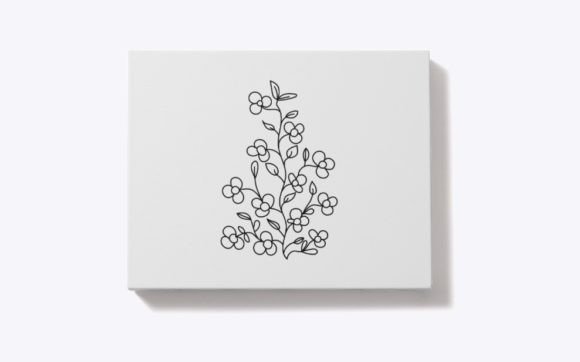
Opening Decorative Flower Hand Drawn Illustratio feels like flipping open a sketchbook from a thoughtful botanical illustrator—soft linework, subtle irregularities in petal shape, and a quiet confidence in its asymmetry. It doesn’t scream “trendy” or chase algorithmic polish. Instead, it leans into warmth, tactility, and approachability—ideal for a client project rooted in authenticity: think a small-batch herbal tea brand launching spring packaging, a handmade candle studio refreshing their Instagram feed, or an indie stationery label building a printable collection for Etsy.
Where This Graphic Design Asset Earns Its Place in Real Client Work
This isn’t just clipart—it’s a visual tone-setter. In logo design, it works best as a supporting element (not the primary mark), adding organic softness beside clean sans-serif typography. For packaging design, it shines on product labels, belly bands, and gift box liners—especially when paired with matte paper stock and earthy ink tones. As part of a brand identity system, it strengthens emotional appeal without compromising professionalism, especially for handmade business and small business branding that values craft over corporate sterility.
In social media graphics, Decorative Flower Hand Drawn Illustratio lifts Canva templates and Instagram story frames out of generic territory. It adds texture to Pinterest pins promoting seasonal printables, gives editorial design depth in blog headers for wellness or lifestyle publishers, and anchors t-shirt design and tote bag visuals with gentle visual hierarchy. For Cricut project builders and sublimation design users, the included SVG file allows precise scaling and layering—critical for mug wraps, iron-on transfers, and layered vinyl decals.
Layout & Scale: Strengths and Strategic Limits
The illustration performs exceptionally well in medium-to-large layout areas: hero sections on websites, full-bleed poster backgrounds, printable wall art, and product mockups where breathing room lets its hand-drawn charm breathe. As a decorative accent—border elements, corner flourishes, or section dividers—it adds cohesion across digital ads, email newsletters, and editorial spreads.
Use with care in tight spaces: below 48px height, fine linework risks blurring or disappearing entirely. Avoid placing it directly over complex or low-contrast backgrounds—its delicate detail needs clarity to land. It’s not suited for minimalist branding systems built on razor-thin lines and monochrome restraint, nor for corporate financial or legal services where visual trust hinges on precision—not poetry.
How It Shapes Perception—and Why That Matters
When integrated thoughtfully, Decorative Flower Hand Drawn Illustratio boosts audience engagement by evoking calm, care, and intentionality—key emotional triggers for wellness, self-care, garden, and artisan markets. It supports visual hierarchy by guiding the eye *around* rather than *through* content, making it ideal for invitation design, greeting cards, and blog visuals where mood matters more than urgency. Crucially, it reinforces brand consistency across touchpoints: the same SVG used on a sticker design, website banner, and printed hang tag creates continuity without repetition.
Designer Notes You Can’t Skip Before Client Use
- Test in black and white first. Does the linework hold up? Are petal separations still legible without color cues?
- Preview on both light and dark backgrounds. The PNG file includes transparency—but check how edges render at scale, especially if placed over gradients or photos.
- Scale it up *and* down. Open the SVG in Illustrator or Figma and zoom to 500%—look for unintended overlaps or jagged anchor points. Then shrink to 20%—does it collapse into a blob?
- Place it on real mockups. Drop it onto a coffee sleeve, notebook cover, or Shopify product page screenshot. Does it feel native—or like a sticker slapped on?
- Print test samples. Run it through your standard printer (or order a POD proof) at 300 DPI. Watch for feathering in thin stems or loss of contrast in shaded areas.
- Inspect font pairings. Try it beside serif fonts (e.g., Playfair Display), sans serifs (Inter, Montserrat), script fonts (Dancing Script), and display fonts (Caveat). It harmonizes best with humanist or slightly imperfect typefaces—not ultra-geometric or high-contrast options.
- Confirm commercial licensing. This is non-negotiable. Verify that the license covers your client’s use case—especially for print-on-demand, digital products sold on Etsy, or branded merchandise. Don’t assume “personal use only” extends to client deliverables.
A Thoughtful Fit—Not a Universal Fix
Decorative Flower Hand Drawn Illustratio won’t solve every creative challenge—but for the right project, it elevates the work meaningfully. It fits naturally within a design bundle focused on spring, botanical themes, mindfulness, or slow-living aesthetics. As a standalone graphic design asset, it’s most powerful when treated as a *supporting voice*, not the lead singer. Used alongside strong typography, intentional color palettes, and clear layout structure, it adds soul without sacrificing polish.
If your client project centers on connection, craftsmanship, or quiet beauty—and you’re building marketing visuals, packaging design, printable design, or social media graphics for an audience that values authenticity over flash—this illustration earns its place. Just remember: great design isn’t about dropping in assets. It’s about curating them with judgment, testing them rigorously, and letting them serve the story—not the other way around.