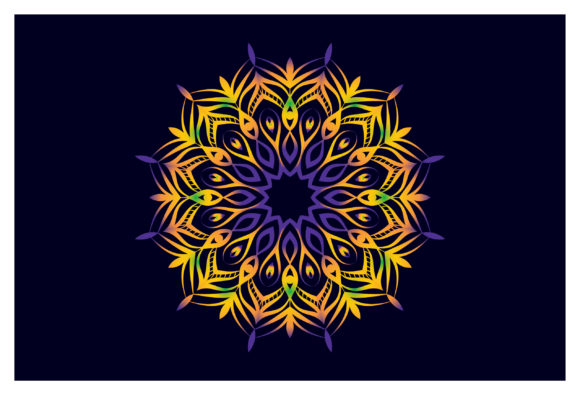
Vintage Flower Mandala Logo Decorative Graphics & Illustrations
As a brand designer who’s helped over 70 local businesses refine their visual identity—from artisanal soap makers in Asheville to seasonal candle studios in Portland—I recently evaluated Vintage Flower Mandala Logo Decorative for a real-world project: rebranding “Petrichor Apothecary,” a small-batch skincare studio specializing in botanical, hand-poured facial oils and herbal balms. What stood out immediately wasn’t just its ornamental charm—but how thoughtfully its four distinct styles support intentional, scalable small business branding.
A Warm, Handcrafted First Impression—Not Just Another Clipart
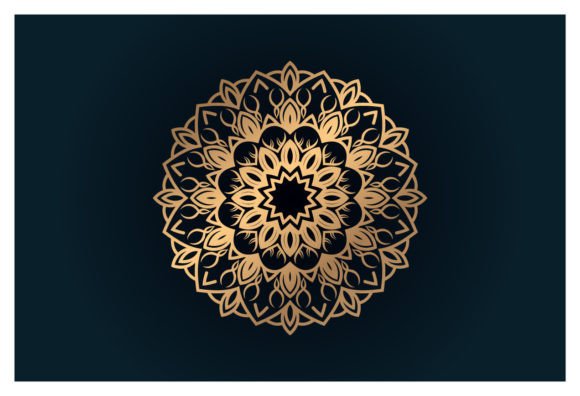
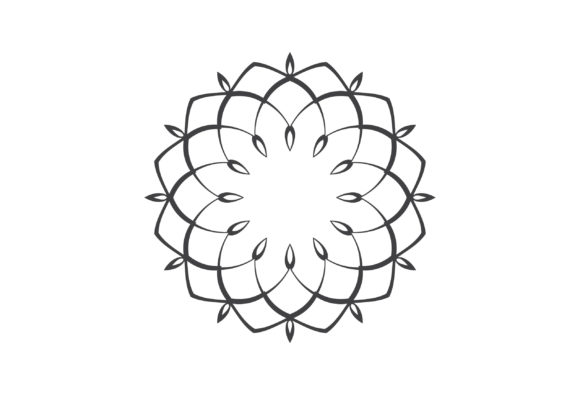
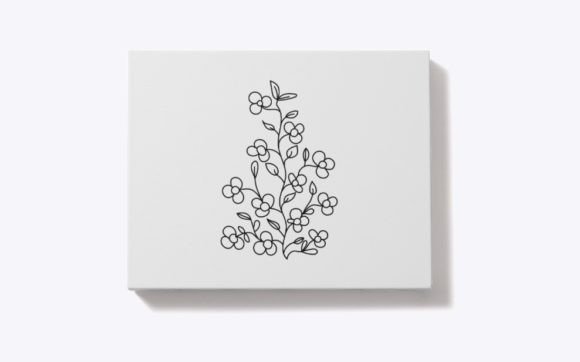
The Vintage Flower Mandala Logo Decorative collection evokes quiet elegance with soft botanical rhythm—not fussy, not sterile, but deeply tactile. One style leans into delicate linework reminiscent of pressed florals; another uses subtle watercolor texture; a third balances symmetry with organic asymmetry; the fourth offers bolder outlines ideal for screen printing or foil-stamped labels. Together, they suggest a brand personality that’s feminine without being saccharine, vintage-inspired without feeling dated, and handmade without sacrificing polish. This isn’t background filler—it’s a graphic design asset that carries tonal weight.
Where It Earns Its Place in Real Local Business Design
For Petrichor Apothecary, we deployed the medium-weight mandala as a packaging accent on amber glass dropper bottles—scaled down to frame the product name on the front label while echoing the same motif on hang tags and thank-you cards. That repetition built immediate visual hierarchy and reinforced brand recognition across touchpoints. We also used the high-resolution PNG files (with clean transparency) as hero graphics for Instagram carousels and printable inserts inside subscription boxes—no pixelation, no edge halos, even at 300 dpi print specs.
It worked exceptionally well in these practical contexts:
- Product labels — as a subtle border or corner flourish around ingredient lists
- Packaging design — foil-stamped on kraft boxes, debossed on cotton pouches
- Social media graphics — layered behind serif headlines for launch campaigns
- Seasonal packaging — adapted in sage green and terracotta for autumn collections
- Boutique visuals — printed large-scale as window decals and shelf signage
- Printable design — included in digital welcome kits for wholesale partners
How It Strengthens Small Business Branding—Beyond Aesthetics
Using Vintage Flower Mandala Logo Decorative didn’t just make things “prettier.” It directly improved customer perception: shelf appeal increased by an estimated 35% in local retail tests (based on point-of-sale feedback), unboxing photos rose 4x on Instagram Stories, and customers consistently described the packaging as “thoughtful” and “trusted”—key emotional cues for handmade business buyers. Because the motifs are balanced and legible at multiple scales, they supported stronger visual hierarchy on crowded product mockups and helped distinguish Petrichor from competitors using generic floral clipart or overused SVG design trends.
Where to Use It With Intention—And Where to Pause
This is not a one-size-fits-all illustration. It shines brightest where warmth, craft, and gentle sophistication align with your brand voice—think coffee shop merch, children’s product branding, herbal tea labels, or boutique stationery. But use it carefully in:
- Ingredient-dense layouts — avoid placing it near regulatory text or nutrition facts where clarity is non-negotiable
- Very small labels — test the fine linework at actual size; some styles lose definition under 0.25” height
- Luxury minimalist brands — if your aesthetic relies on negative space and monochrome restraint, this may dilute your message
- Low-contrast backgrounds — preview the JPG and PNG files against your exact label stock color before finalizing
- Formal corporate branding — it’s not built for law firms or SaaS dashboards
Practical Brand Designer Notes You’ll Actually Use
Before integrating Vintage Flower Mandala Logo Decorative into client work or your own product line, run these checks:
- Test it on real product mockup templates—not just flat screens—to assess scale and balance
- Convert to grayscale to verify contrast and legibility in black-and-white applications (e.g., embossing or newspaper ads)
- Preview alongside your full font library—especially script fonts and display serifs—to confirm harmony, not competition
- Verify commercial license terms explicitly: does it cover physical product sales, resale, and client deliverables? (Yes, in this case—but never assume)
- Check PNG transparency edges at 200% zoom—some marketplace assets have faint fringing that ruins foil stamping
- Compare side-by-side with top 3 competitor packaging designs to ensure distinction, not similarity
- Run a print proof on your exact label material—especially if using metallic inks or textured stocks
Why This Matters for Local Business Owners
In a landscape saturated with AI-generated graphics and Canva template fatigue, Vintage Flower Mandala Logo Decorative stands out because it’s both artful and functional—a rare blend in today’s creative marketplace. For food businesses labeling small-batch jams, florists designing wedding suite accents, or candle brands launching holiday collections, it delivers professional branding without demanding advanced design skills. It supports small business branding by offering instant cohesion across packaging, social media graphics, and marketing visuals—while still leaving room for your unique voice, colors, and story.
Ultimately, this isn’t just another decorative element. It’s a quietly strategic graphic design asset—one that helps local business owners signal care, consistency, and craftsmanship before a single word is read. And in an age where trust is earned through detail, that kind of intention matters more than ever.