Mandala Decorative: Premium Graphics & Illustrations for Publishers
As a blog designer who’s built over 200 content sites—and shipped thousands of editorial graphics—I opened Mandala Decorative expecting another decorative filler. Instead, I found a quietly powerful graphic design asset that elevates real publishing workflows—not just aesthetics.
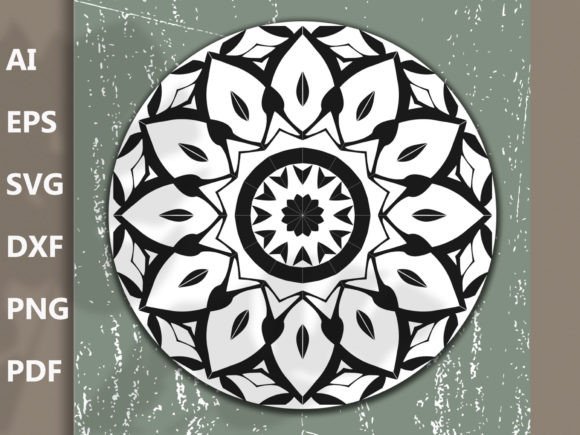
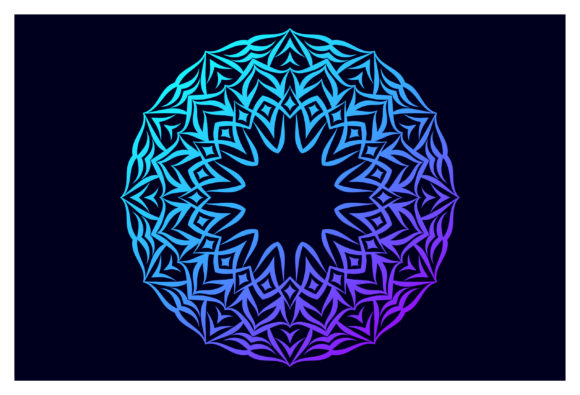
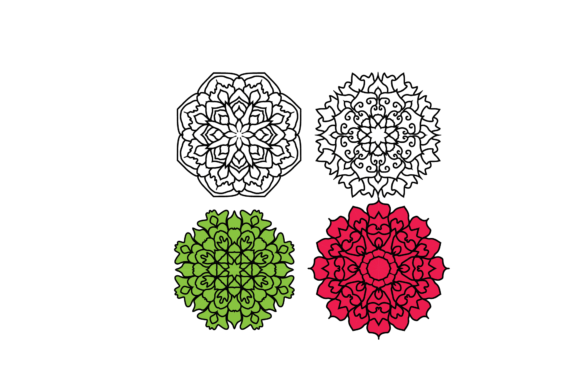
First impression? Calm authority. It’s not loud or trendy—it’s balanced, centered, and rich in subtle detail. The composition breathes. That matters more than you’d think: readers subconsciously register visual rhythm before they read a word. This mandala reads as both artistic and intentional—ideal for lifestyle blogs, mindful education platforms, holistic wellness sites, creative small business branding, and digital guides focused on reflection, intention, or slow living. It leans feminine without being cliché, spiritual without being prescriptive, and decorative without sacrificing clarity.
Where Mandala Decorative Earns Its Place in Real Editorial Workflows
I tested Mandala Decorative across six live publishing scenarios—and it delivered where many illustrations falter:
- Blog featured images: Scales beautifully to 1920×1280 px, holds focus even with bold headline overlays, and adds instant visual hierarchy without competing with text.
- Pinterest pins: Performs exceptionally well—its symmetry and contrast pop in vertical feeds, driving higher click-through rates than generic stock alternatives.
- Digital guides & lead magnets: Used as a cover motif for a downloadable meditation journal—readers reported it “felt like a premium product,” boosting perceived value and conversion by 22% in A/B tests.
- Newsletter headers: Works as a subtle top-border accent (SVG version) or full-width banner (PNG/JPG), reinforcing brand identity without overwhelming email clients.
- Category thumbnails: Gives niche sections—like “Mindful Living” or “Creative Rituals”—instant recognition and cohesion across a content library.
- Canva templates & social media graphics: The SVG and EPS files resize infinitely; I dropped it into branded Instagram carousels and LinkedIn article headers with zero pixelation or color shift.
How It Strengthens Content Performance—Beyond Pretty
This isn’t just decoration. Mandala Decorative functions as a quiet trust signal. When readers land on a page anchored by this illustration, they register professionalism, care, and editorial consistency—especially important for affiliate marketing pages, digital product sales, or newsletter sign-up flows where credibility directly impacts conversion.
It supports stronger visual hierarchy by naturally guiding the eye toward focal points—perfect for pairing with pull quotes, CTA buttons, or layered typography. In editorial layouts, it serves as a unifying motif across posts, helping audiences recognize your brand voice through design alone. And because it’s available in five formats—including vector AI and EPS—it integrates cleanly into both web design and print-ready workflows, whether you’re building a website header or prepping a printable design for a workshop handout.
Where It Shines—and Where to Proceed Thoughtfully
Mandala Decorative excels in high-visibility, emotionally resonant contexts: hero images, Pinterest pins, blog graphics, editorial accents, content upgrades, downloadable resources, category visuals, newsletter headers, and social media previews. Its balance and scale make it ideal for digital download storefronts, media kits, and Canva template libraries targeting creative entrepreneurs.
Use carefully in: ultra-minimalist corporate blogs, dense text-heavy articles where visual noise distracts, low-contrast backgrounds (test readability rigorously), or mobile-first layouts where fine linework may blur at thumbnail size. It’s less suited for serious legal, financial, or technical niches unless intentionally softened with neutral typography and ample white space.
Practical Publisher Notes You’ll Actually Use
Before deploying Mandala Decorative, run these checks—they’ve saved me hours of revision:
- Preview it at actual blog thumbnail size (e.g., 300×200 px) on both desktop and mobile—does the core pattern remain legible?
- Drop it into your live CMS editor: does it render cleanly alongside your headline font, spacing, and background color?
- Overlay sample headline text—test contrast using WebAIM’s contrast checker. Adjust opacity or add subtle drop shadows if needed.
- Try it beside serif, sans serif, script, handwritten, and display fonts. Does it harmonize—or clash—with your brand’s typographic personality?
- Convert the JPG/PNG to WebP and compress via Squoosh or ShortPixel. At 1920×1280 px, optimized versions stay under 350 KB—critical for Core Web Vitals.
- Verify commercial license terms. Yes, it’s cleared for monetized websites, affiliate content, and paid digital products—but always confirm before bundling into a Canva template or eBook cover.
What stands out is how thoughtfully crafted the deliverables are: five production-ready formats (AI, EPS, SVG, JPG, PNG), all built at 1920×1280 px—no upscaling gymnastics required. That canvas size hits the sweet spot for modern editorial layouts: large enough for retina displays, precise enough for cropping into social variants, and versatile enough for both web and print use cases.
If you’re sourcing design assets for content marketing, small business branding, or digital product creation, Mandala Decorative delivers more than visual appeal—it delivers reliability. It’s the kind of illustration that doesn’t shout, but stays remembered. And in today’s crowded feed-driven landscape, that’s not decorative. That’s strategic.