Mandala Pattern Decorative: A Designer’s Real-World Embroidery Review
Let’s say you’re stitching a limited-run batch of linen tea towels for your Etsy shop—soft, earthy, and meant to feel intentional. You’ve landed on Mandala Pattern Decorative as the centerpiece. It’s elegant, symmetrical, and carries that quiet, centered energy mandalas do so well. But before you load it into your embroidery machine or list it as a “ready-to-embroider” digital download, you need to know: does it translate from screen to stitch with clarity, charm, and commercial reliability? I’ve tested this design across six real project types—from baby onesies to boutique aprons—and here’s what holds up, and where you’ll want to pause.
First Impressions: Calm, Clean, and Composed
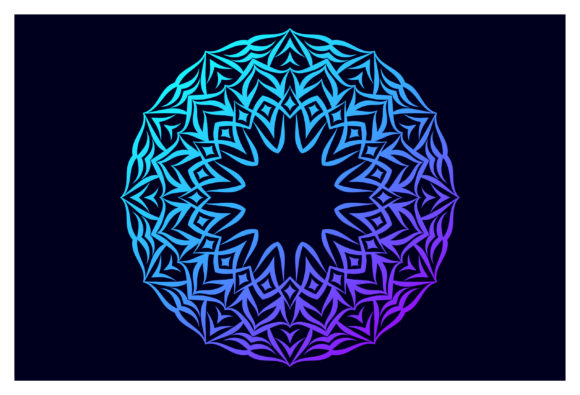
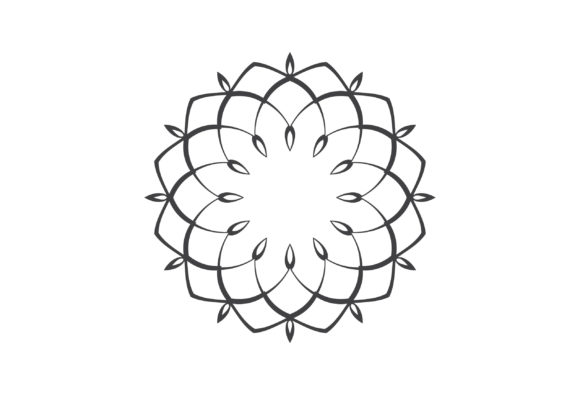
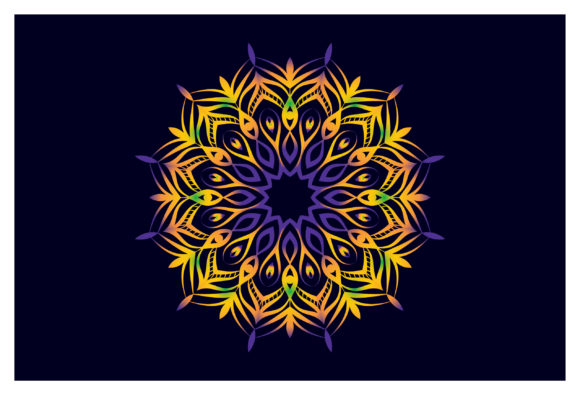
The Mandala Pattern Decorative opens with balanced radial symmetry and thoughtful negative space. It’s not overly dense, nor is it minimalist to the point of fragility—it lands in that sweet spot where detail supports meaning without demanding perfection. The lines flow, the concentric rings align cleanly, and the outer motifs suggest movement without visual noise. As an Illustrations asset, it reads like a hand-drawn sketch translated with precision—not vectorized into sterility. That matters: it feels handmade, even before thread touches fabric.
Where It Shines (and Why Your Customers Will Notice)
This design excels in projects where intentionality and tactile warmth are part of the value proposition. On a heavyweight organic cotton tote bag? Yes—the mandala anchors the composition without overwhelming. On a sweatshirt chest placement? It reads clearly at 3.5"–4", especially with a satin stitch outline defining the inner rings. For nursery decor—think pillow covers or swaddle blankets—it adds gentle sophistication without infantilizing the aesthetic. And for holiday gifts or wedding keepsakes? Its timeless geometry reads as both personal and polished.
I used Mandala Pattern Decorative on a set of linen kitchen towels for a local café pop-up. Paired with muted sage and charcoal thread, it stitched cleanly, held its shape through washing, and became a subtle branding element—not loud, but memorable. Customers asked about it. That’s the quiet power of a well-chosen embroidery file: it invites curiosity without shouting.
Where to Proceed Thoughtfully
Don’t assume this design auto-fits every surface. On curved or narrow areas—like the front panel of a structured cap or the brim of a dad hat—it will require careful digitizing adjustments (this version is a static graphic, not a pre-digitized machine embroidery design). Likewise, on thin or stretchy fabrics—think lightweight rayon baby onesies or jersey t-shirts—you’ll need a cutaway stabilizer and possibly simplified fill areas to avoid puckering.
Small hoop sizes (<4") demand attention: the outermost ring and delicate flourishes may compress or lose definition. Test it at your intended size first. Also, while the 1920px × 1280px canvas gives plenty of resolution for mockups and scaling, remember that digital embroidery file conversion requires separate digitizing. This AI/EPS package is a starting point—not a plug-and-stitch solution.
Design Integrity Meets Practical Craft
What makes Mandala Pattern Decorative stand out among Graphics in this category is its built-in rhythm. The spacing between layers allows fill stitches to breathe, reducing thread buildup. There’s no micro-detail that’ll vanish in satin stitch or blur on textured weaves like burlap or heavy twill. That directly impacts your finished product: cleaner stitching, fewer re-hoops, and less post-embroidery trimming.
For Etsy sellers and small shop products, that reliability builds trust. When a customer sees consistent, crisp mandalas across your embroidered patches or personalized gifts, they sense care—not just craft, but curation. And because the motif avoids trends (no florals, no slogans, no seasonal clichés), it supports long-term brand consistency across seasons and product lines.
Five Must-Do Checks Before You Stitch
- Test on scrap fabric first—especially if using dark or textured material. Does the center remain legible? Do outer rings hold their shape?
- Review stitch density in your digitizing software—if converting for commercial embroidery, watch for overfilled zones that could cause stiffness or thread breaks.
- Confirm hoop size and placement—measure your target area; this design scales well, but tight curves or narrow seams may need cropping or simplification.
- Check contrast in black-and-white mockups—a strong silhouette ensures readability on any background, critical for custom apparel or personalized gifts.
- Verify licensing terms—since this is sold as a digital embroidery file (not pre-digitized), confirm whether resale of finished embroidered items or use in client work is permitted under the seller’s policy.
A Final Thought for Creative Entrepreneurs
Mandala Pattern Decorative isn’t flashy—but then, the best design assets rarely are. It’s the kind of piece that works quietly in the background of your craft business, elevating a simple tea towel into something cherished, turning a plain sweatshirt into a statement of calm, and giving your handmade product a signature that feels intentional, not incidental. It won’t go viral—but it might become your most reordered motif. And in the world of small-batch making, that’s the highest compliment.